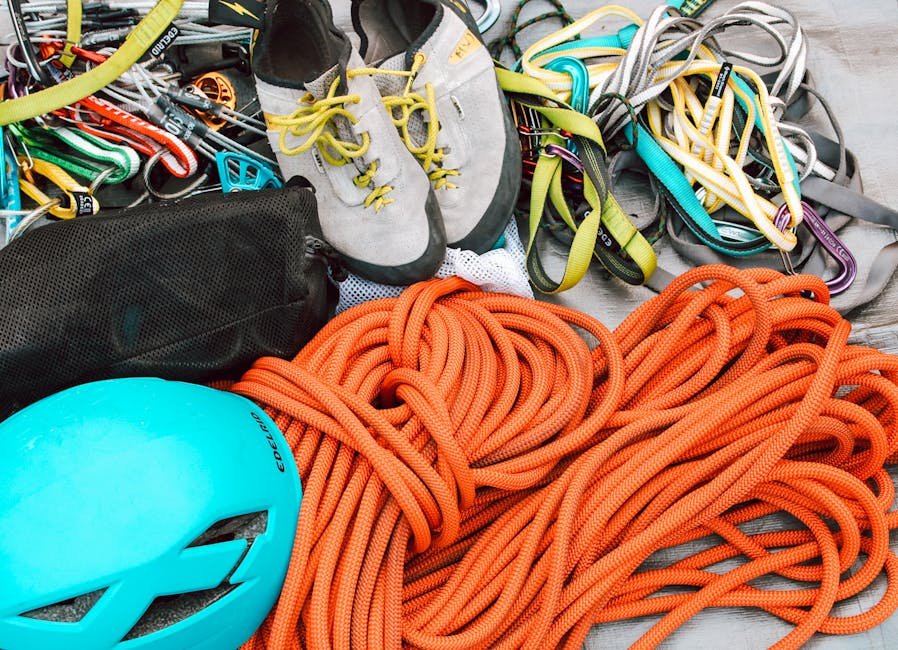
Embarking on a wilderness adventure can be an exhilarating experience filled with breathtaking landscapes, thrilling activities, and a deep connection to nature. However, the great outdoors can be unpredictable, and safety should always be a top priority. Having the right safety gear is crucial, whether you’re hiking through rugged terrains, kayaking down a roaring river, or camping under the stars. This guide will provide you with an essential safety gear checklist that ensures you’re well-prepared for any unforeseen circumstances during your adventures.
In this article, we will explore the must-have safety equipment, clothing, and accessories that every outdoor enthusiast should consider. From navigation tools to first aid kits, each section will delve into the specifics of why each item is essential and how it can enhance your wilderness experience. Whether you’re a seasoned adventurer or a beginner, this ultimate guide will help you pack wisely, ensuring that safety remains at the forefront of your outdoor escapades.
1. Navigation Tools: Finding Your Way
One of the most critical aspects of wilderness exploration is navigation. A reliable navigation toolset can prevent you from getting lost in the vast wilderness. Start with a topographic map of the area you plan to explore. Unlike regular maps, topographic maps provide detailed information about terrain, elevation, and natural landmarks. Pair your map with a compass to help you orient yourself and plan your route accurately. For those who prefer technology, GPS devices or smartphone apps can be invaluable, but remember that batteries can die, and signals can be lost in remote areas. Having a combination of digital and analog navigation tools will ensure you’re never at a loss.
Additionally, consider carrying a portable power bank to keep your devices charged. Familiarize yourself with the basics of map reading and compass use before heading out, as this knowledge can be a lifesaver when technology fails. Investing time in learning these skills can greatly enhance your confidence in the wilderness and ensure you can navigate your way back safely.
2. First Aid Kit: Be Prepared for Emergencies
A well-stocked first aid kit is an essential part of any wilderness adventure. Accidents can happen anywhere, and having the right supplies can make all the difference in an emergency. Your first aid kit should include adhesive bandages for minor cuts, antiseptic wipes to clean wounds, gauze pads, and medical tape. Consider adding specialized items like splints for fractures, blister treatment, and allergy medication if you have known sensitivities.

In addition to physical supplies, taking a wilderness first aid course can be incredibly beneficial. These courses teach you how to handle various emergencies, from treating snake bites to performing CPR in remote locations. Knowledge is just as important as having the gear; being prepared can save lives in critical situations. Regularly check and replenish your first aid kit to ensure its contents are up-to-date and that all medications are not expired.
3. Clothing: Dressing for Safety
The right clothing can significantly enhance your safety and comfort during wilderness adventures. Start with moisture-wicking base layers that keep sweat away from your body, helping to regulate your temperature. Over this, wear insulating layers such as fleece or down jackets that provide warmth without bulk. The outer layer should be a waterproof and windproof shell to protect you from the elements. Opt for pants that are durable and quick-drying, and consider investing in specialized outdoor footwear designed for your activity, whether it’s hiking boots or water shoes.
Don’t forget about accessories like hats, gloves, and sunglasses, which can provide protection from the sun and cold. A sturdy backpack is also crucial for carrying your gear comfortably. Always check the weather forecast before heading out and dress in layers so you can adapt to changing conditions. Remember, proper clothing not only enhances safety but also adds to your overall enjoyment of the wilderness experience.
4. Hydration Systems: Staying Hydrated
Staying hydrated is vital for maintaining energy and focus during outdoor adventures. Dehydration can lead to fatigue, dizziness, and decreased cognitive function, which can be dangerous in a wilderness setting. Carrying a hydration system, such as a water bladder or a refillable water bottle, ensures you have easy access to water throughout your journey. Look for containers that are lightweight and durable, able to withstand the rigors of outdoor use.
In addition to a hydration system, consider bringing water purification methods, such as filters, purification tablets, or UV light devices. These tools allow you to safely drink from natural water sources, which is essential when venturing deep into the wilderness where water may not be readily available. Always plan your route with water sources in mind and refill your hydration system whenever possible to maintain your hydration levels.
5. Emergency Shelter: A Safe Haven
Unexpected weather changes or accidents can leave you stranded in the wilderness, making an emergency shelter an essential piece of gear. Lightweight tents, tarps, or bivy sacks can provide protection from rain, snow, and wind, helping you stay warm and dry. When selecting a shelter, consider the weight and packability, especially if you’re backpacking. A tent that is easy to set up and take down can also save you time and effort in stressful situations.

Additionally, include a space blanket in your emergency gear. These compact, reflective blankets can retain body heat, making them a lifesaver in cold conditions. Ensure your shelter can accommodate all your group members and consider practicing setting it up before your adventure to ensure you’re proficient and confident when it matters most.
6. Multi-tool or Survival Kit: Versatility is Key
A multi-tool or survival kit can provide numerous functions in a single device, making it an invaluable asset during wilderness adventures. These tools typically include a knife, screwdriver, scissors, can opener, and various other implements that can assist in numerous situations, from preparing food to making repairs. Look for a multi-tool that is compact yet sturdy, ensuring it can withstand the rigors of outdoor use.
Your survival kit should also contain items like fire starters (matches, lighters, or fire starters), a whistle for signaling, and a signaling mirror. These tools can help you start a fire for warmth and cooking, attract attention in case of emergencies, and even assist with navigation. Regularly check your multi-tool for functionality, and practice using it so that you are familiar with its features and capabilities before your adventure begins.
7. Communication Devices: Staying Connected
In the wilderness, staying connected can be a matter of safety. Depending on the remoteness of your adventure, consider bringing a reliable communication device such as a satellite phone, two-way radios, or a personal locator beacon (PLB). While your smartphone may suffice in areas with cell service, it’s important to have backup options when venturing into regions with limited connectivity.
Before your trip, inform someone of your itinerary and expected return time. This person can alert authorities if you fail to return as planned. Additionally, consider carrying a portable charger to keep your devices powered throughout your adventure. Communication devices not only help in emergencies but can also provide peace of mind, allowing you to focus on enjoying your wilderness experience.
Conclusion
Equipping yourself with the right safety gear is essential for any wilderness adventure. From navigation tools to first aid kits, the items outlined in this guide will help ensure that you’re well-prepared for unexpected situations. Remember that safety gear is not just about being equipped; it’s about enhancing your overall experience and confidence in the wilderness. Before heading out, take time to familiarize yourself with your gear, and don’t hesitate to seek additional training to boost your outdoor skills. With the right preparation, you can embrace the thrill of adventure while keeping safety at the forefront of your mind.